




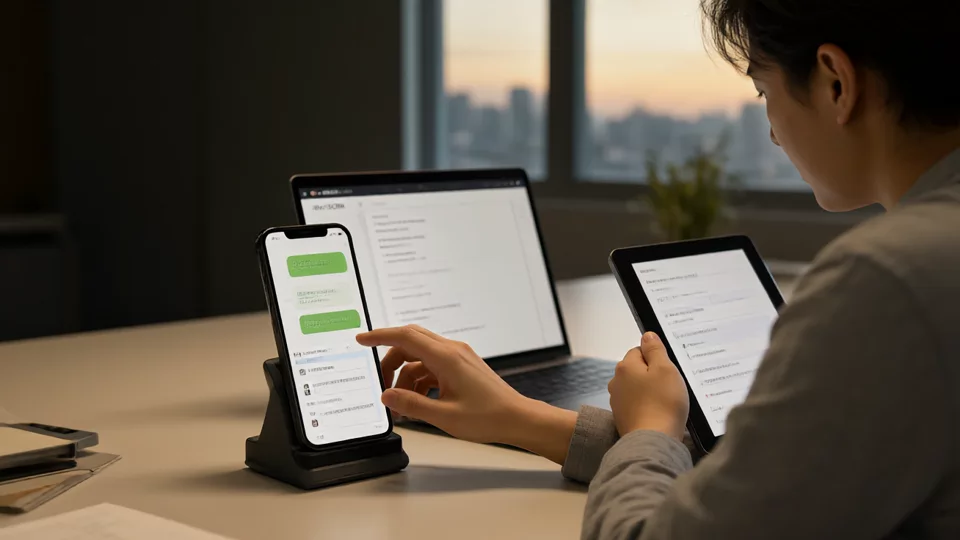
A customer asks in Spanish, “¿Tienen el modelo X en azul?” The customer service agent understands it and replies that it is in stock; the customer then sends an address screenshot and asks whether it matches, so the agent translates it again and confirms it again; ten minutes later, a colleague on the next shift takes over and starts asking about the model and color again. What this back-and-forth consumes is not translation speed, but the same matter being verified repeatedly.
To reduce repeated confirmations, the key is not to make translation faster, but to keep the translation always attached to the correct account, customer, and fields that have already been confirmed. ws real-time translation can indeed eliminate some confirmations, but the premise is to first distinguish where the confirmations actually come from.
First divide repeated confirmations into three categories; do not leave them all to translation
The same phrase “let me confirm again” can have different causes behind it and requires different handling:
- Language-understanding confirmation: The customer expresses themselves vaguely or mixes their native language, abbreviations, and voice descriptions, and the customer service agent is unsure whether the translation is accurate and can only ask again.
- Business-information confirmation: Model, color, quantity, shipping address, time, currency, and other factual items. No matter how accurate the translation is, it cannot judge for the customer whether the address is filled in correctly.
- Account-context confirmation: Multiple accounts run in parallel and multiple people work in shifts; the person taking over does not know what was said before or which language the customer prefers.
Among the three types, ws real-time translation directly addresses the first type; the second type depends on field templates and records; the third type depends on account ownership and customer profiles. Lumping the three together makes it easy to mistakenly think that “translation works” means “no need to ask again.”
What ws real-time translation really reduces are the follow-up questions caused by “not understanding.”
The value of real-time translation is turning “let me check what this sentence means” into “read it and reply.” Two-way translation lets customer service understand what the customer sends and lets the customer see the translated version of the reply, reducing the cases where they rephrase and ask again because they cannot understand it. In high-frequency short-message scenarios such as WhatsApp, response rhythm often gets stuck at this step.
Preserving the original text is another key. The translation is for understanding, while the original is for checking model spelling, numbers, and proper nouns. If the customer writes “mod. X-200,” machine translation may turn it into “X 200 model”; by glancing at the original before replying, you can avoid a back-and-forth caused by the wrong model. This falls under language-understanding confirmation, which is the part real-time translation can genuinely reduce.
But its boundaries are equally clear: translation cannot determine whether the address provided by the customer is complete, cannot verify inventory and delivery times, and cannot make decisions for the customer. Confirmation involving factual fields still needs to be asked, but it should be asked once and recorded.How Telegram real-time translation is implemented: Operational approaches and considerations for cross-language customer communicationThe breakdown of account ownership and original-text preservation there can be read in comparison with this section.
When messages come in, retain account ownership together with customer language preference
After a message comes in, retain at least four pieces of information: which account it belongs to, the customer’s original text, the corresponding translation, and the customer’s language preference plus confirmed key fields. When someone else takes over the reply, these four items determine whether to ask again. With only the translation but no ownership, the person taking over may not even know which customer on which account this sentence is replying to.
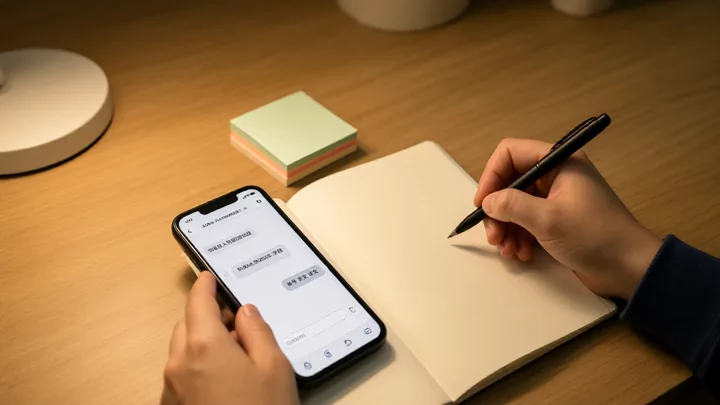
Language preference is also worth recording separately. If a customer has always communicated in Spanish, then next time reply in Spanish first or pull up the corresponding translation directly, instead of working out again which language to use. According to this site's information, SKY SCRM provides aggregated translation and customer management, supporting multi-account management across global social platforms, multilingual communication, and AI translation; its point is to bind messages and customer profiles together rather than letting them scatter across different devices and windows. Translation pipelines on different platforms share common judgments, and you can read more inHow do you implement real-time translated chat on Instagram? Practical approaches to multilingual customer communication.
Put high-frequency confirmation items up front as reusable fields, and check them before replying
Rather than asking again before every reply, fix the high-frequency items as fields during the first conversation. A common set is: model or specification, quantity, color, shipping address, expected time, currency, and quotation basis. There is no need for many fields, but they should cover the items this customer keeps asking about.
In practice there are two steps: during the first conversation, record the customer's answers in the customer profile; then before each reply, check against the fields and ask about whichever is missing, without repeating what has already been confirmed. When the customer changes the address, update the field and note the time, so that the old address is not used to arrange shipment.

The purpose of this checklist is to turn "confirmation" from a verbal habit into a process step. It does not depend on translation quality; it depends on whether the fields were recorded and whether they were looked at before replying.
Running multiple instances of WS software solves parallel account use, but it does not solve the ownership of information after translation
ws software multi-instancing keeps multiple WhatsApp accounts online at the same time, while ins multi-instancing solves the entry problem of multiple Instagram accounts. They address “whether accounts can handle chats in parallel”; ws real-time translation addresses “whether the message content can be understood.” Neither automatically resolves “which customer this message belongs to, or what was confirmed before.” After multi-instancing, messages are still scattered across different windows, and even after translation you still have to ask again.
The value of multi-instancing lies in entry, the value of translation lies in understanding, and the value of customer management lies in memory. Only when the three are connected will repeated confirmation truly decline. The specific platform integration methods and the number of manageable accounts should be subject to the actual product description. For how to choose multi-account management, refer toHow to choose line multi-instancing software? Several criteria for global social platform multi-account management.
At acceptance, look at the number of repeated questions, not just translation speed
Fast translation does not mean fewer confirmations. Run a one-week pilot and record three types of counts:
- Number of second confirmations for the same field: for example, how many times the same customer's shipping address was repeatedly asked.
- Number of repeated questions after a different person replies: after handover, whether the conversation starts again from model and color.
- Number of follow-up questions about translation ambiguity: whether the customer rephrases and asks again because they cannot understand the reply.
Fill in one three-column shared table by customer, field, and count, then compare before and after; no complex report is needed. No specific reduction is promised here; results depend on customer structure, field coverage, and handover discipline. To turn conversations into handover-ready records, you can refer toIn social platform multi-account communication scenarios, how does a ticketing system connect messages with customer management。
Frequently asked questions
When customers send voice messages or images, can ws real-time translation still reduce confirmations?
Information in voice messages and images usually cannot be fully processed by translation tools; such messages rely more on customer service staff extracting key content themselves and recording it in fields. The part that can be reduced is still concentrated in text messages; for voice and images, it is advisable to first convert them into text summaries and then confirm the factual items in them.
When multiple people take turns replying to the same customer, how can they avoid repeatedly asking for information that has already been confirmed?
Put account ownership, source text and translation, language preference, and confirmed fields in the same customer record; during handover, review the record before replying. Translating only the chat window makes it easy to miss content that has already been confirmed in another account.
If the translation reads smoothly, why still keep the source text?
Smoothness does not equal accuracy. Model numbers, figures, place names, and proper nouns are most likely to be altered in translation; keep the source text for verification before replying. If a customer raises an objection, you can also return to the original wording rather than the translation.
In a one-week pilot, which two signals should be looked at first to judge whether repeated confirmations have decreased?
First, check whether the number of repeat confirmations for the same field has decreased; second, check whether, after someone else takes over, they still start by asking for basic information. If neither has changed, the problem lies in field recording and handover, not in translation itself.